Iran Chat

Our latest Iran Chat is with Dr. James Miller, Managing Director of the Oxford International Development Group, a health research and project management consulting company in Oxford, Mississippi.
Dr. Miller began working in the area of health diplomacy in 2004 while seeking ways to improve health outcomes and access to medical care for people in the impoverished rural Mississippi Delta region. For this, he turned to Iran’s primary health care model, which is known for its system of health houses staffed by citizen health workers who provide health education and preventative health services to their local communities. Recognized by the World Health Organization for its success in improving medical outcomes for rural communities in Iran, Dr. James Miller began working with the architects of this system to develop and adapt the Iranian model in ways that could address the health disparity challenges in the impoverished Delta regions.

Our latest Iran Chat is with Iranian-American celebrity chef Ariana Bundy. Ariana is the award-winning author of two cookbooks, Pomegranates and Roses: My Persian Family Recipes and Sweet Alternative: More than 100 recipes without gluten, dairy and soy. She is also the writer, director and star of the 8-part television series Ariana's Persian Kitchen, which airs on NatGeo People. Ariana's work has been featured in a variety of magazines like Food & Travel, Harper's Bazaar and Food & Wine Magazine; she has also appeared on television programs like BBC's Good Food Live, Euronews and Top Billing. For more information about Ariana Bundy or to get some delicious recipe ideas, you can visit her website arianabundy.com or follow her on Facebook, Twitter or Instagram.

Our latest Iran Chat is with Swedish ultra-runner, coach and motivator, Kristina Paltén, who holds the World Record in 48 hour treadmill running, covering a distance of 322.93 kilometers. She is also the first woman to have run across Iran, and the star of a film that covers that journey called Alone Through Iran - 1144 Miles of Trust.
We spoke with Paltén about her experience running across Iran, from Turkey to Turkmenistan, and how that experience, and now her film, are helping to challenge prejudices and misconceptions about the country and its people. To download Alone Through Iran - 1144 Miles of Trust, you can visit the the film website www.alonethroughiran.com and request a private screening. For more information about Kristina Paltén, or to hire her for motivational coaching, you can visit her website www.palten.se.
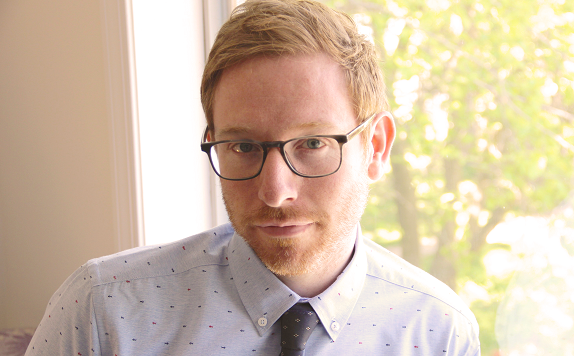
Our latest Iran Chat is with Dr. David Collier, author of the new book, Democracy and the Nature of American Influence in Iran 1941-1979. Dr. Collier is also a research consultant in Washington DC and teaches democracy and democratization in Boston University's Washington DC program.
The first half of our conversation focuses on Dr. Collier's usage of linkage and leverage to analyze and better understand the history of the period; the second half addresses how his analysis of the history applies to current issues in US-Iran relations and US foreign policy more generally. Dr. Collier's book is being published this month; you can purchase a copy on Amazon or Syracuse University Press.

Less than one week after President Donald Trump’s executive order banning immigration from seven Muslim-majority countries, our latest Iran Chat is with Ian Samuel, Lecturer on Law at Harvard Law School. Ian previously served in the United States Department of Justice in the Office of the Solicitor General and on the appellate staff of the Civil Division. Following his government service, Ian joined the appellate litigation practice at the law firm Jones Day.
Our conversation covers the legal issues surrounding President Trump's executive order as well as Ian’s offer to personally provide legal services to any government employee who refuses to help implement this ban. You can follow Ian on Twitter at @isamuel, and subscribe to his podcast about the Supreme Court at firstmondays.fm/subscribe.

Our latest Iran Chat is with comedian and actor, Maz Jobrani. A founding member of the Axis of Evil Comedy Tour, his comedy covers a wide-range of issues, but often focuses on race and the ways that Middle Easterners are misunderstood in the U.S. He performs stand-up live around the world, including in the Middle East. Recently he published a book about his experiences, I'm Not a Terrorist But I've Played One On TV. He also co-wrote, produced and starred as the title character in the award-winning indie comedy film, Jimmy Vestvood - Amerikan Hero. Maz Jobrani regularly guest stars on popular television shows and appears as a panelist on NPR's Wait Wait Don't Tell Me. You can find more about Maz, including upcoming tour dates, on his website mazjobrani.com, and follow him on Facebook and Twitter @Mazjobrani.

Navid Khonsari on 1979 Revolution Black Friday: “You have the ability not just to physically navigate the streets of Tehran, but also morally navigate how you want to be involved with the revolution.”
Our latest Iran Chat is with Navid Khonsari, video game creator and the founder of Ink Stories, the independent film and gaming studio responsible for the development of the fascinating video game 1979 Revolution: Black Friday, which puts players into the world of the revolution in Iran in 1979. While our conversation focused on this game about the Iranian revolution, Mr. Khonsari is also well known for his work developing the cinematic look and feel for video games like Grand Theft Auto, Max Payne, The Warriors and others. For more information about 1979 Revolution: Black Friday, or to purchase it, you can visit inkstories.com.

The American Iranian Council (AIC) is pleased to announce that we are bringing our interview series, Iran Chat, to audio format with a new podcast.
Our first interview is with Sufi musician, Amir Vahab – one of New York’s most celebrated and distinguished composers and vocalists of Sufi and folk music. The interview includes a discussion of Mr. Vahab’s background, how he got interested in music, some advice for aspiring musicians, a description of Persian music, as well as a special demonstration of some traditional Persian instruments, which begins about halfway through our conversation.
In addition to speaking with us for this series, Mr. Vahab was also kind enough to provide the music for the podcast, which you will hear at the beginning and end of each episode. To learn more about Mr. Vahab and his music, or about the Persian instruments featured in this interview, please visit Mr. Vahab’s website www.tanbour.org.
Interviews
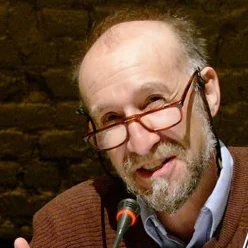
After a long break, Iran Chat is back and we felt this year’s series should begin with a deep dive into the current state of US-Iran relations, focusing on the very real and growing possibility of war with Iran.
To help sort through all the recent news and issues concerning US-Iran relations, we spoke with journalist Jim Lobe. He served as chief of the Washington DC bureau of Inter Press Service from 1980 to 1985 and again from 1989 to 2016. Currently he is an Associate Fellow at the Institute for Policy Studies where he directs LobeLog, an award-winning web blog focused on foreign policy, featuring posts by expert contributors on a variety of global issues, with an emphasis on US policy towards the Middle East.
Recently, he co-wrote an article for Lobelog entitled War Against Iran Becoming Ever More Likely. We discuss his rationale for this assessment during our conversation.
Listen here or on iTunes: https://itunes.apple.com/us/podcast/americaniranians-podcast/id1152417924
Our latest Iran Chat is with Dr. James Miller, Managing Director of the Oxford International Development Group, a health research and project management consulting company in Oxford, Mississippi.
Dr. Miller began working in the area of health diplomacy in 2004 while seeking ways to improve health outcomes and access to medical care for people in the impoverished rural Mississippi Delta region. For this, he turned to Iran’s primary health care model, which is known for its system of health houses staffed by citizen health workers who provide health education and preventative health services to their local communities. Recognized by the World Health Organization for its success in improving medical outcomes for rural communities in Iran, Dr. James Miller began working with the architects of this system to develop and adapt the Iranian model in ways that could address the health disparity challenges in the impoverished Delta regions.
Our latest Iran Chat is with Swedish ultra-runner, coach and motivator, Kristina Paltén, who holds the World Record in 48 hour treadmill running, covering a distance of 322.93 kilometers. She is also the first woman to have run across Iran, and the star of a film that covers that journey called Alone Through Iran - 1144 Miles of Trust.
We spoke with Paltén about her experience running across Iran, from Turkey to Turkmenistan, and how that experience, and now her film, are helping to challenge prejudices and misconceptions about the country and its people. To download Alone Through Iran - 1144 Miles of Trust, you can visit the the film website www.alonethroughiran.com and request a private screening. For more information about Kristina Paltén, or to hire her for motivational coaching, you can visit her website www.palten.se.
Our latest Iran Chat is with Dr. David Collier, author of the new book, Democracy and the Nature of American Influence in Iran 1941-1979. Dr. Collier is also a research consultant in Washington DC and teaches democracy and democratization in Boston University's Washington DC program.
The first half of our conversation focuses on Dr. Collier's usage of linkage and leverage to analyze and better understand the history of the period; the second half addresses how his analysis of the history applies to current issues in US-Iran relations and US foreign policy more generally. Dr. Collier's book is being published this month; you can purchase a copy on Amazon or Syracuse University Press.
Less than one week after President Donald Trump’s executive order banning immigration from seven Muslim-majority countries, our latest Iran Chat is with Ian Samuel, Lecturer on Law at Harvard Law School. Ian previously served in the United States Department of Justice in the Office of the Solicitor General and on the appellate staff of the Civil Division. Following his government service, Ian joined the appellate litigation practice at the law firm Jones Day.
Our conversation covers the legal issues surrounding President Trump's executive order as well as Ian’s offer to personally provide legal services to any government employee who refuses to help implement this ban. You can follow Ian on Twitter at @isamuel, and subscribe to his podcast about the Supreme Court at firstmondays.fm/subscribe.

As part of AIC's goal to help remedy misconceptions about Iran and separate truth from fiction, we are pleased to announce an educational partnership with IMVBox.com in their work relating to Iranian cinema and theatre.
As part of this partnership, we are able to offer our members one free month of unlimited access to IMVBox.com. Just click here and use promo code R51E.
With over one thousand streaming films, IMVBox.com is the largest "online cinematheque," and the only legal platform for digital content from Iran. They showcase a large selection of recent award-winning Persian-language visual material, including features, documentaries, shorts and plays.
AIC applauds IMVBox's mission to "paint a true picture" of Iran, and shares in the hope that film can "unlock the spellbinding, often misunderstood, complexities of Iran's proud culture and raise awareness about realities of life in the Middle East."

AIC President Dr. Hooshang Amirahmadi discussed the lifting of sanctions and the need for the US and Iran to improve relations, in an interview with Russia Today.
"Unfortunately, the 'honeymoon' between the US and Iran is going to end unless they move swiftly to normalize the relationship and discuss every other issue," Amirahmadi said. "The nuclear accord within the context of an abnormal relationship cannot be sustained much longer. Moreover, President Rouhani and Supreme Leader Khamenei have put all their eggs in Obama's basket, but he is only going to be around for another 11 months. The next president, whoever it is, is going to be very tough on Iran."

AIC Executive Director Emad Kiyaei was interviewed about Implementation Day, the recent release of American sailors, and the prisoner swap between the US and Iran on PBS Newshour.
"This is a major breakthrough. It's a very good day for the Iranians and for the international community," Kiyaei said. "I hope that this nuclear deal, the prisoner exchange, and the swift release of the sailors is just one step toward opening up the relationship between the two countries on issues where they see eye-to-eye.

AIC Director of Communications Kayvon Afshari discussed the visa waiver issue ("HR158") on Brooklyn's BRIC TV, a newly-launched community television station in Brooklyn. He argued that the addition of Iran in the law is both discriminatory and fails to improve national security.
He elaborated on the reason that he is personally opposed to the law.
"Sometimes people say that this law just produces a small inconvenience, and that you should just apply for a visa. However, to me it's not about the inconvenience. I'm affronted by the implication of the law." he said. "And the implication is this: that I, because I am an Iranian-American dual citizen and have traveled to Iran, just may perhaps be a terrorist."

AIC Executive Director Emad Kiyaei speaks to Al Jazeera America on Iran's inclusion in talks over resolving the Syrian crisis taking place in Vienna
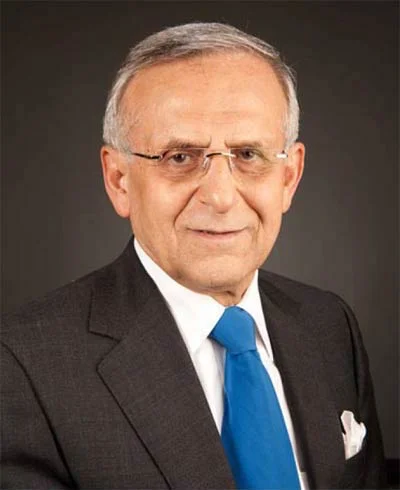
AIC President Dr. Hooshang Amirahmadi spoke to Voice to America on the approaching nuclear deadline. Dr. Amirahmadi believes that a "comprehensive deal" will not be finalized, but that there will be an extension and both parties will announce progress has been made.
Dr. Amirahmadi added, "I cannot see a normalization on the nuclear dispute, while Iran and the U.S. have no normal relations.
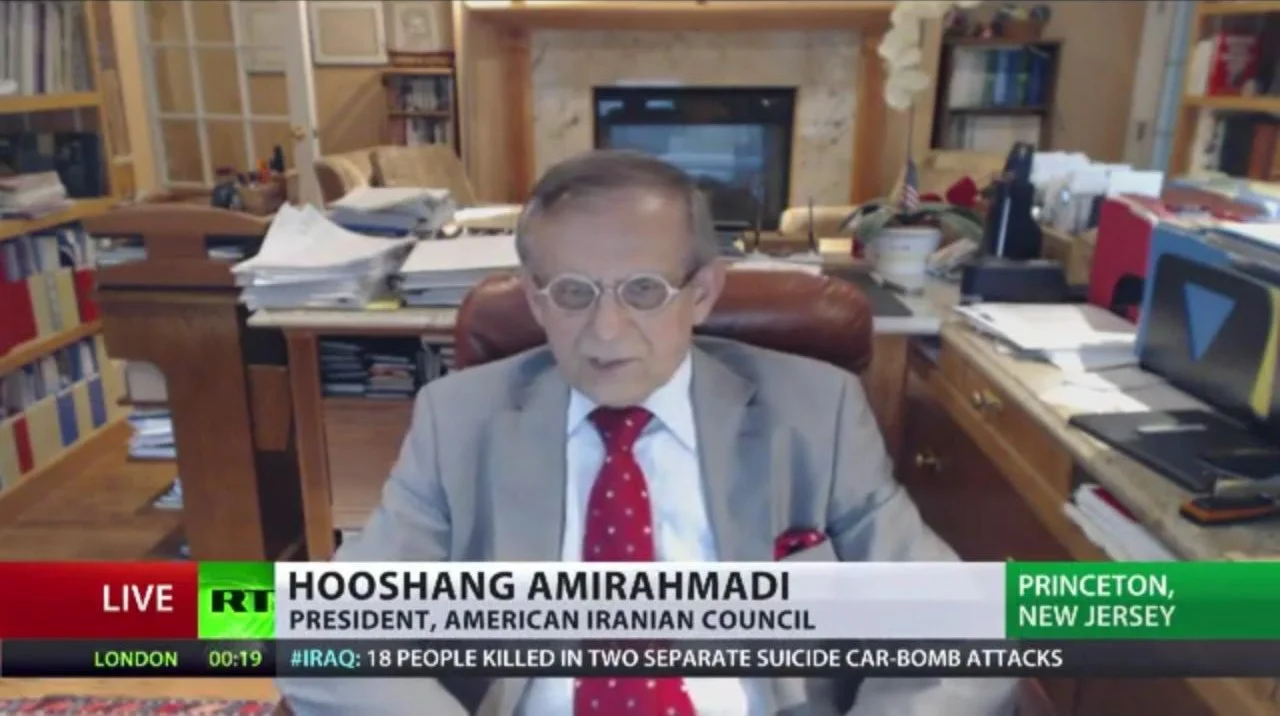
AIC Founder Dr. Amirahmadi discusses with Russia Today the recent revelation of the virus used to spy on the P5+1 nuclear negotiations, which he believes is of Israeli origin. He says that Israel would have been especially interested in the "positions of the parties" as well as private negotiations between just the United States and Iran.

Originally Published on Voice of America
By Ambassador Thomas Pickering
AIC Honorary Board Member
The effort by the United States and Cuba to bridge gaps caused by more than 50 years of mutual hostility will require a heavy emphasis on relationship-building, says a former high-ranking State Department official.

Kayvon Afshari discusses the political framework reached by Iran and the P5+1 over the nuclear issue on HuffPost Live with Alyona Minkovski
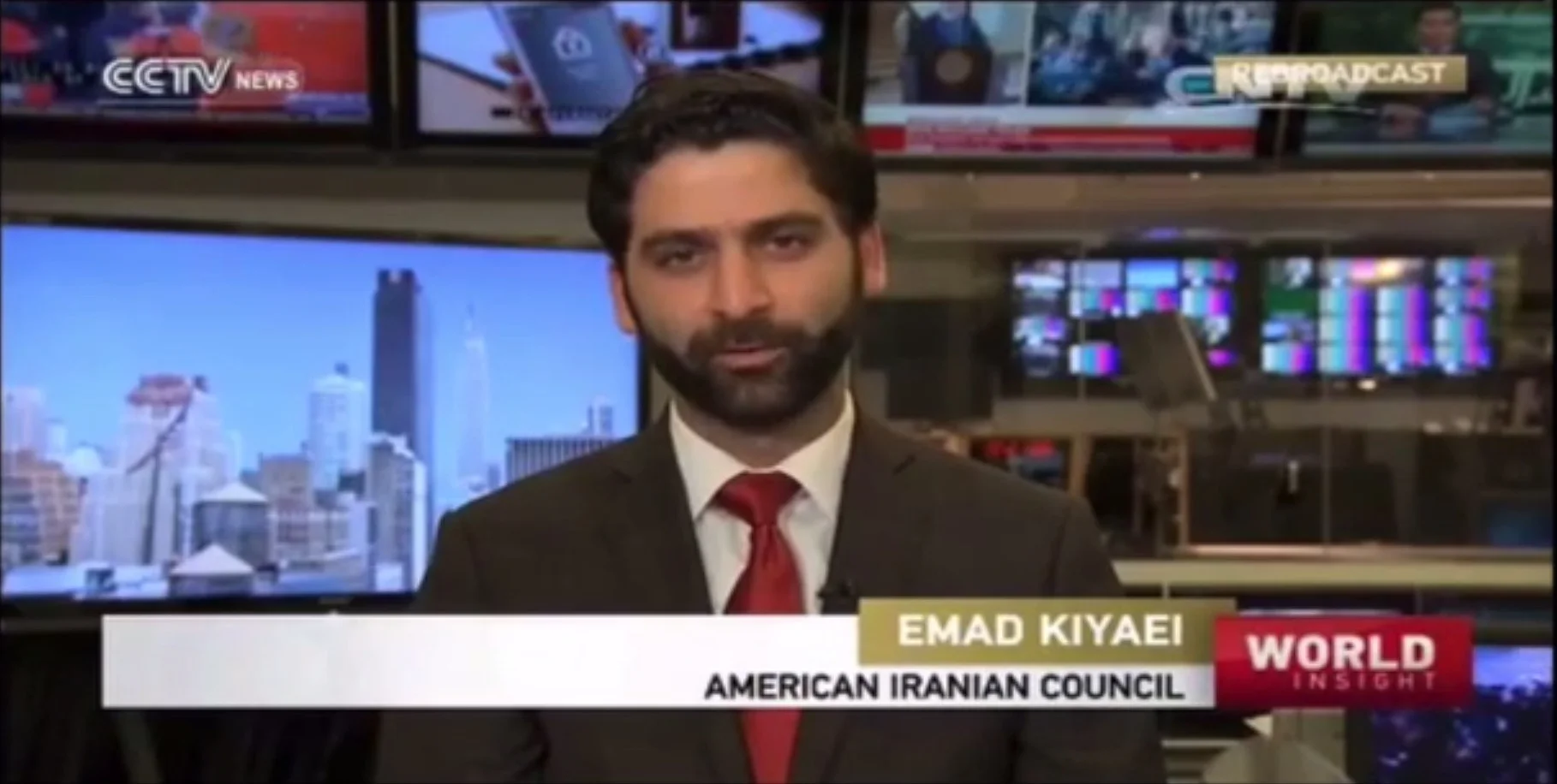
AIC Executive Director, Emad Kiyaei, discusses the details of the framework agreement and implications it may have for the near future.

In an exclusive interview with HuffPost Live, AIC Executive Director, Emad Kiyaei, noted that the nuclear framework deal is a testament to diplomacy and paved a path for world powers to avoid a military confrontation with Iran.
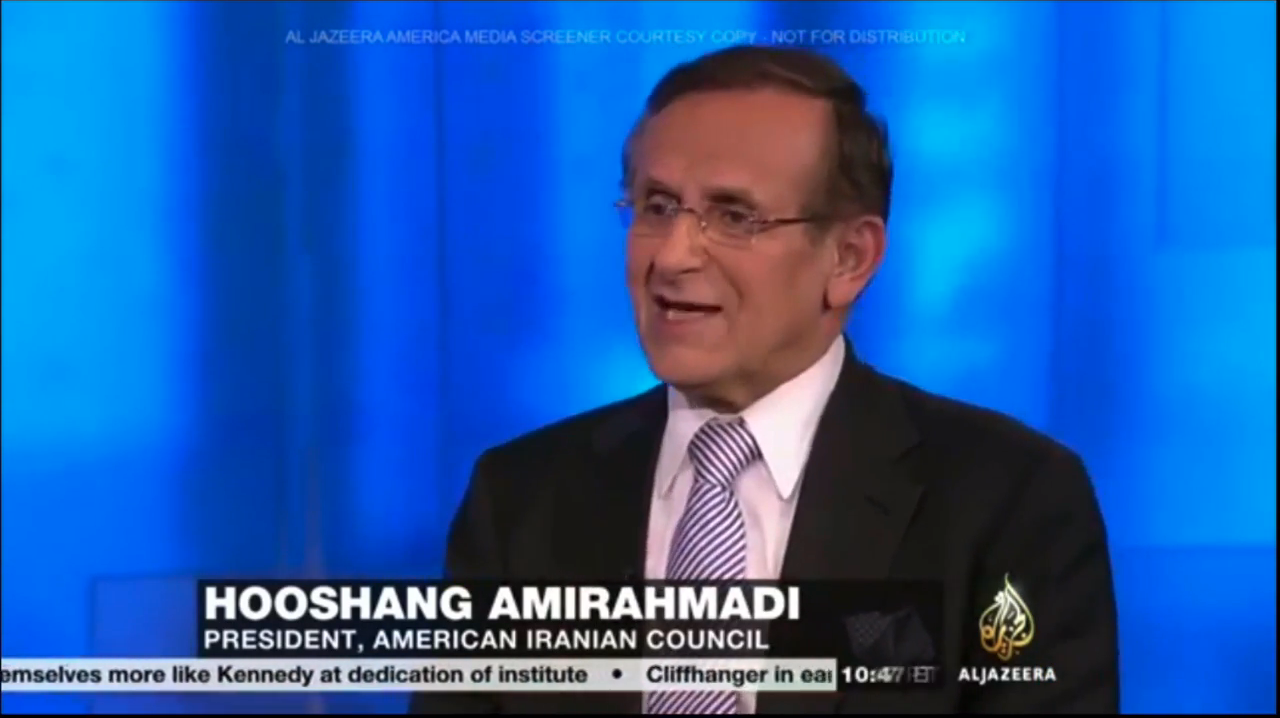
In an exclusive interview with Al Jazeera America’s Ali Velshi, Dr. Hooshang Amirahmadi, Founder and President of the American Iranian Council, discusses what it takes to resolve the dispute over Iran's nuclear program.
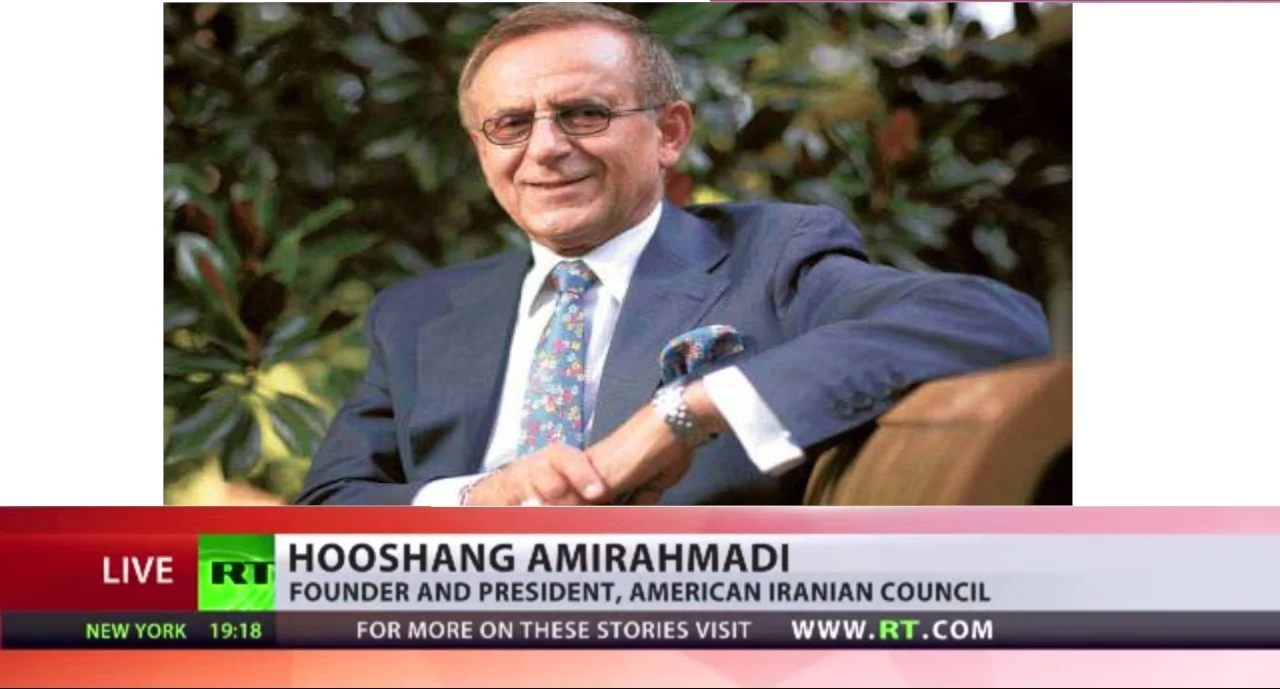
In an exclusive interview with Russia Today, Founder and President of the American Iranian Council, Dr. Hooshang Amirahmadi, says he is, "50/50" and that "an agreement may not be sustained", when asked if he believes that Iran will reach a nuclear deal with world powers at the end of March.
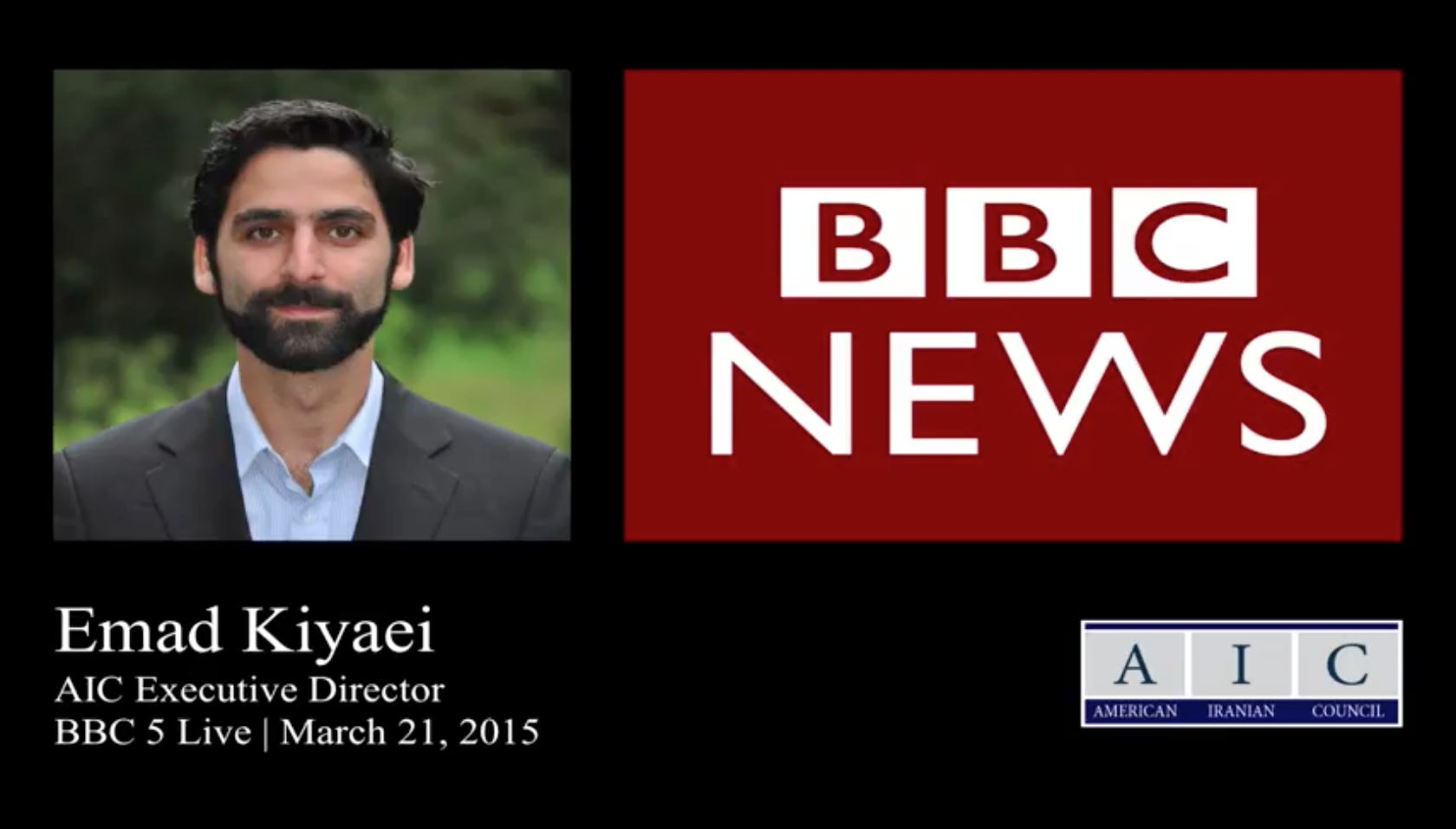
AIC Executive Director Emad Kiyaei told BBC Radio 5 Live that, “We are the closest to a nuclear deal with all parties on board.” He added that a nuclear deal will be “profound for the domestic politics in Iran and provide the environment for socioeconomic and political reform.”
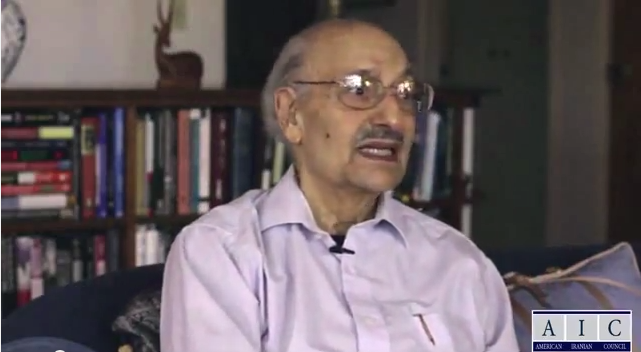
Originally published in The Daily Progress
By R.K. Ramazani
Honorary AIC Board Member
In the title of a March 12 editorial, The New York Times was right to deplore what it called "Republican Idiocy on Iran." By writing an astonishing letter directly to Iran without President Obama's knowledge, 47 senators attempted to sabotage the deal being negotiated between Iran and the 5+1 powers (U.S., Russia, Britain, France, China and Germany) to restrain Iran’s nuclear ambitions.

In an exclusive interview with Al Jazeera America, Dr. Hooshang Amirahmadi, President of the American Iranian Council, expresses his cautious optimism regarding the nuclear negotiations. He points out that two crucial issues remain, which include the extent of sanctions relief and the degree of nuclear research and development that Iran can undertake.
When asked if sanctions removal is Iran's biggest incentive to negotiate, Dr. Amirahmadi said, "Particularly sanctions on banking because that's really the killer. You could remove all sanctions on Iran except for banking and it wouldn't make a difference."

In an exclusive interview with Al Jazeera America, Dr. Hooshang Amirahmadi, President of the American Iranian Council, asserts that while there has been some cooperation on various fronts between the U.S. and Iran, a nuclear deal is vital for maintaining any progress that has already been made.
When asked whether President Rouhani or Obama has a harder time selling the deal, Dr. Amirahmadi said, "I think President Obama. Because in Iran you have a central figure named Ayatollah Khamenei and everyone will listen to him in the final analysis."
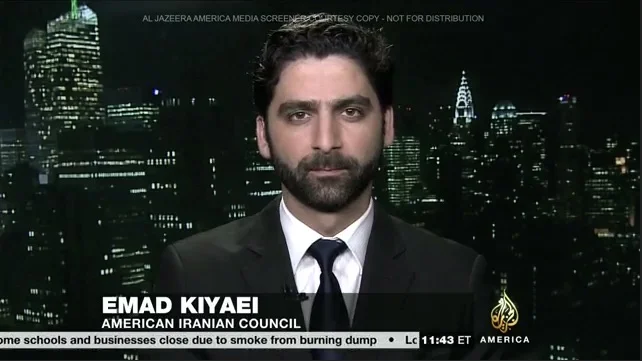
In an exclusive interview with Al Jazeera America, Emad Kiyaei, Executive Director of the American Iranian Council, urges the international community to begin a dialogue with Syria's Bashar Al-Assad to avoid a protracted conflict. He also added that a viable solution cannot be reached without having Iran at the table.
Mr. Kiyaei goes on to point out that the focus on IS or Daesh has sidelined the ongoing conflict and humanitarian crisis taking place in Syria.
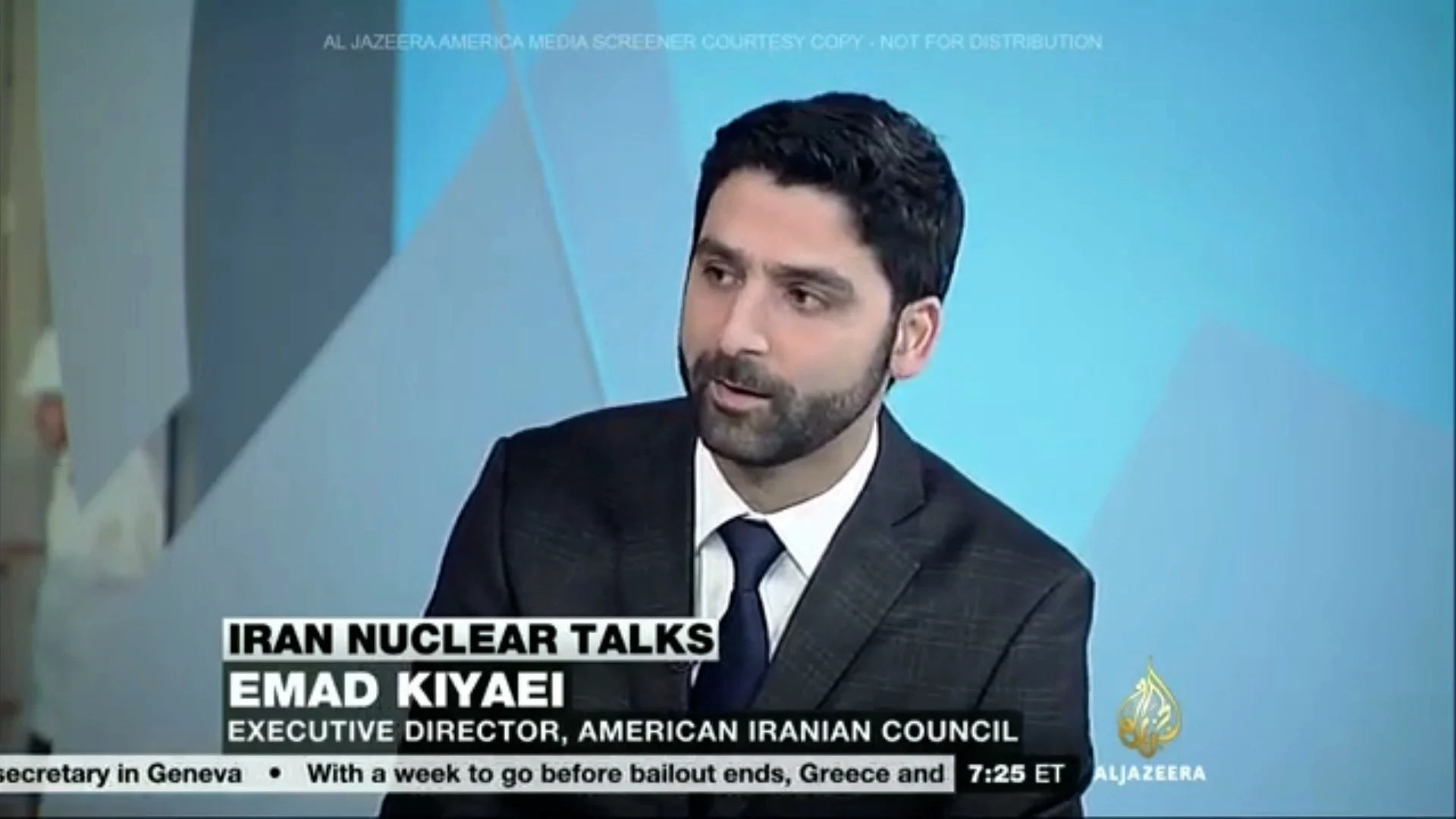
AIC Executive Director Emad Kiyaei discussed the latest IAEA report on the 'possible military dimensions' (PMDs) of Iran's nuclear program. He says that the timing may be meant to derail the talks.

AIC President Hooshang Amirahmadi sat down with AJAM's Tony Harris to talk about the ongoing nuclear negotiations as well as Senator Menendez announcing that he will delay introducing his sanctions bill until after the deadline for a political framework.

Professor Hooshang Amirahmadi, AIC President, Prof. at Rutgers University, speaking at the joint conference of AIC and ACMCU titled: The Changing Middle East, New Challenges, Players and US-Iran Relations. Prof. Amirahmadi discusses "American Iranian Council and US-Iran Relations."
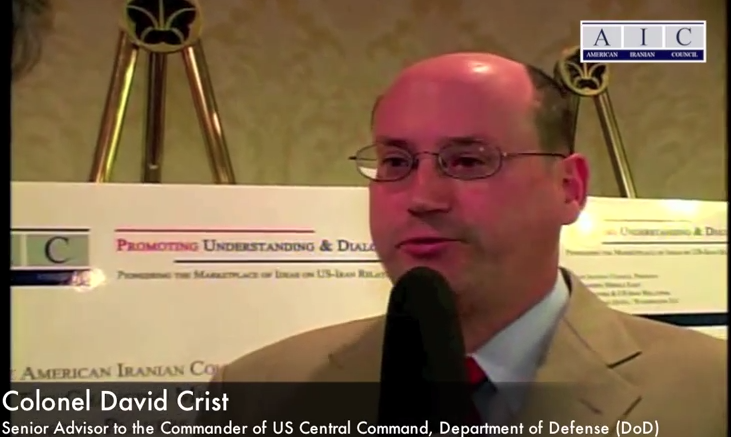
Colonel David Crist, Senior Advisor to the Commander of US CENTCOM, US Department of Defense, speaking at the joint conference of AIC and ACMCU titled: The Changing Middle East, New Challenges, Players and US-Iran Relations. Colonel Crist discusses "US-Iran Relations: Miscommunication and False Starts."
Conferences
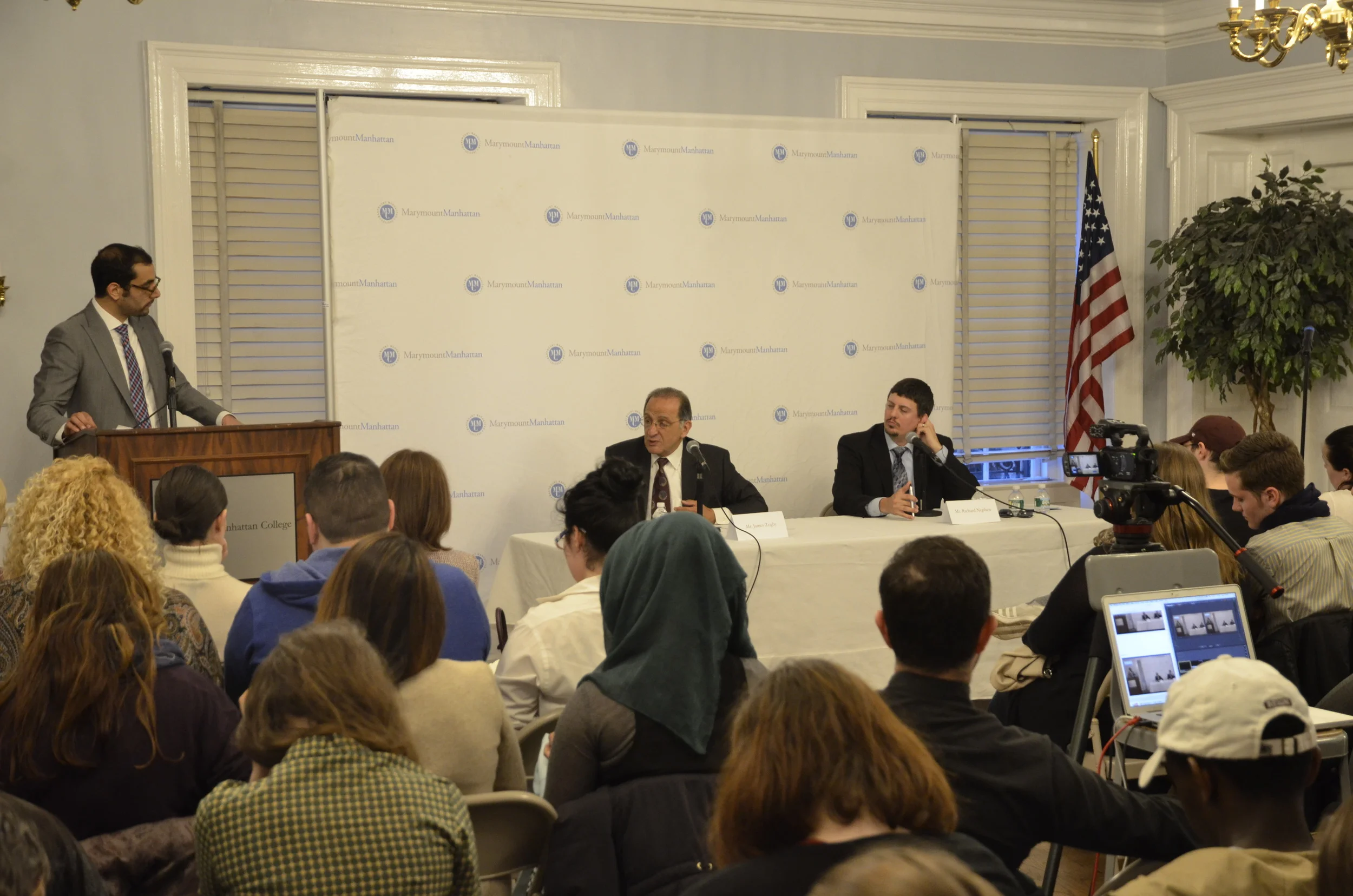
In order to educate the public ahead of the consequential April 19 New York State primary election, the AIC and Marymount Manhattan College invited Dr. James Zogby, a surrogate for the Sanders campaign, and Mr. Richard Nephew, an advisor to the Clinton campaign, to speak at a major event. Each speaker outlined his candidate's Middle East foreign policy and took questions from the audience.
The topics they covered included the nuclear accord, sanctions, the Israeli-Palestinian conflict, America's relationship with Saudi Arabia, the fight against ISIS, the Syrian civil war, and the prospect for normalized US-Iran relations.
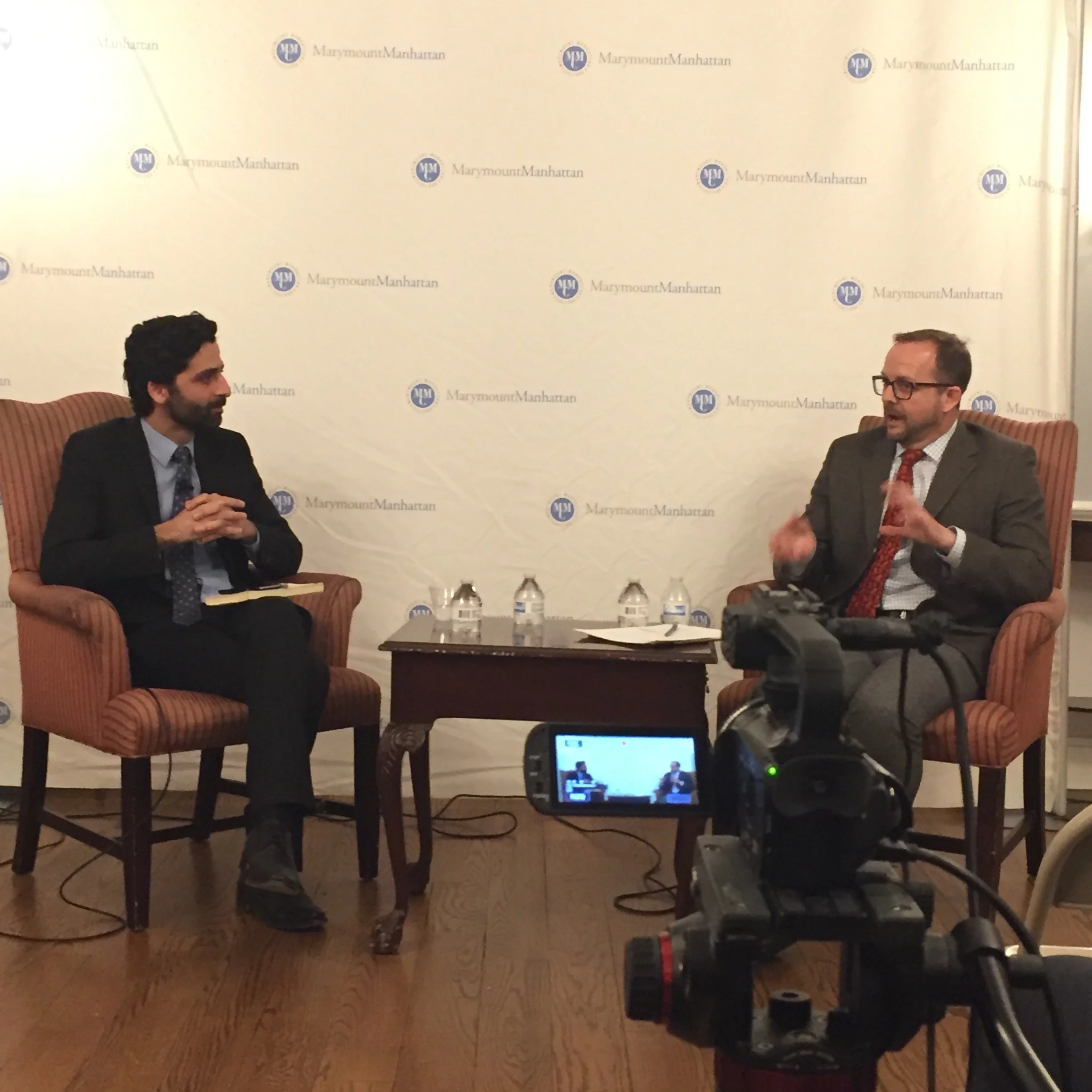
The relationship between the Kingdom of Saudi Arabia and the Islamic Republic of Iran has often been referred to as a regional Cold War. Their open hostility significantly increased as a result of the recent execution of Shi’a cleric Nimr Baqir al-Nimr. With this tension in mind, the AIC and Marymount Manhattan College will feature a discussion with Dr. David Ottaway to explore the sources of the conflict and the prospects for reconciliation.

The Iran nuclear deal has stirred much debate and controversy in the United States over the last two months. Seyed Hossein Mousavian and Emad Kiyaei, two Iranians, teamed up to shed light on the nuclear deal and Iran’s perspective on the global landscape.
Mousavian, a former diplomat and Iranian nuclear negotiator, and Kiyaei, executive director of the American-Iranian Council, were the final morning lecturers of Week Eight, “The Middle East Now and Next.” Mousavian is a pro-U.S. Iranian and the co-author of Iran and the United States, An Insider’s View on the Failed Past and the Road to Peace, which was published last year and chronicles U.S.-Iran relations from 1856 to the present day

AIC's Honorary Board Member Amb. Thomas Pickering recently addressed a large group of students at Hamilton College on the nuclear accord and US-Iran relations. Amb. Pickering is one of the nation's premier former diplomats and a strong supporter of improved US-Iran relations.
"There are many other questions in the region that are of interest to Iran and the United States," Amb. Pickering said. "Interestingly enough, the Iranians and the US are both in agreement fundamentally that Afghanistan should not be in hands of the Taliban government; that neither Iraq nor Syria should be taken over by the Islamic State. That is important because that provides the beginning of an ability to try to build with our foreign policy toward regional balance and stability, to help move in a secure way in a situation now fraught with difficulties and dangers."

On Monday, September 28, 2015, students, faculty, staff, and guests gathered on campus for an informative and in-depth discussion on the Iran Nuclear Deal. With many developments related to the nuclear issue ongoing, the Department of International Studies at Marymount Manhattan College and the American Iranian Council were honored to host such an important discussion at a crucial time.
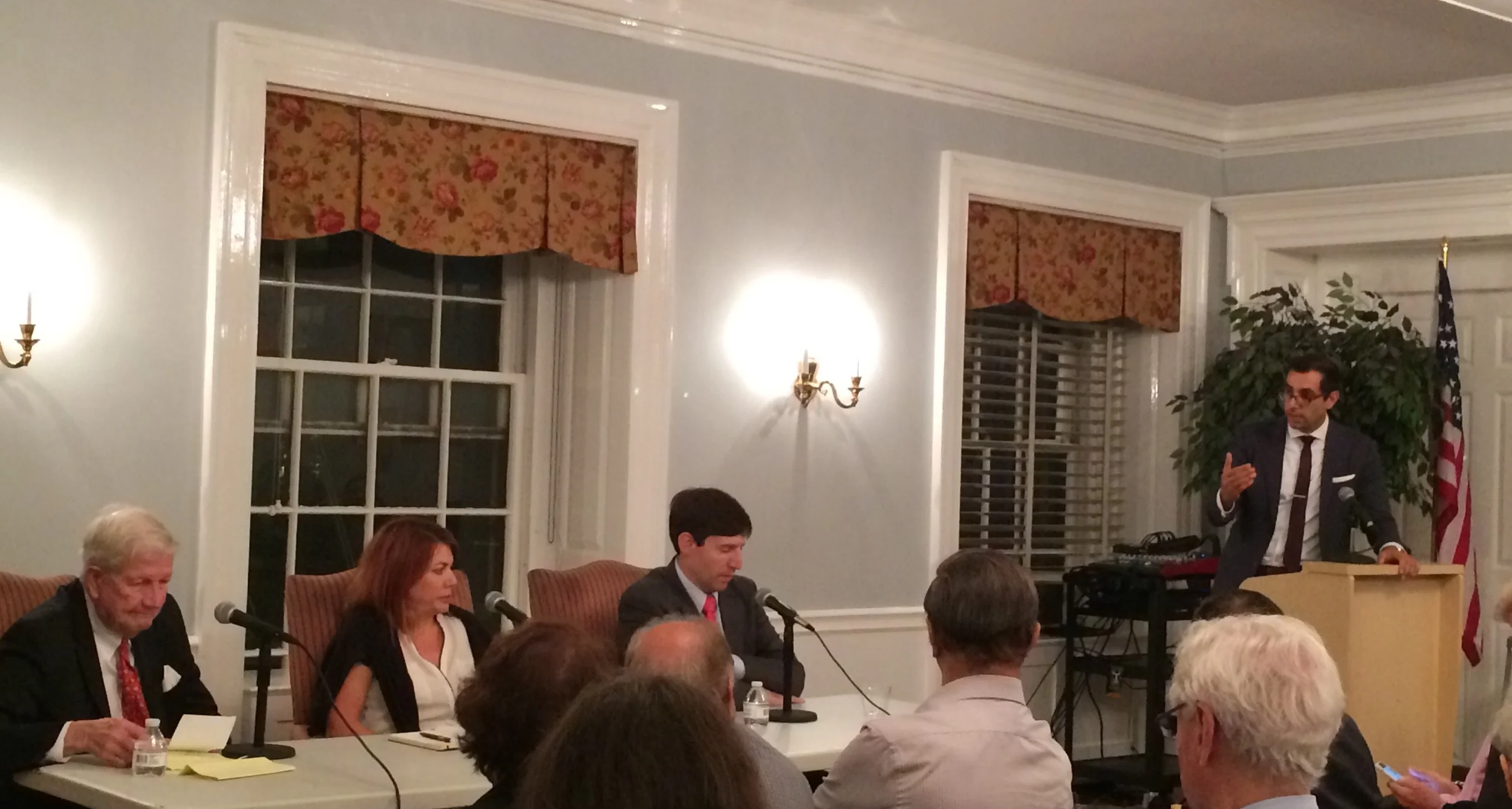
Despite a largely hostile relationship, the United States and Iran reached a negotiated, diplomatic solution to the nuclear issue in July 2015. While many regard this as a major achievement, the US Congress is largely skeptical of the deal.
With many developments related to the nuclear issue ongoing, the Department of International Studies at Marymount Manhattan College and the American Iranian Council are pleased to announce that we are hosting a panel discussion to weigh the merits of the nuclear deal as well as its broader implications for US-Iran relations.
Our panelists include Ambassador William Luers of the Iran Project, Patricia DeGennaro of the World Policy Institute, and Jack Hayes of the law firm Steptoe & Johnson.
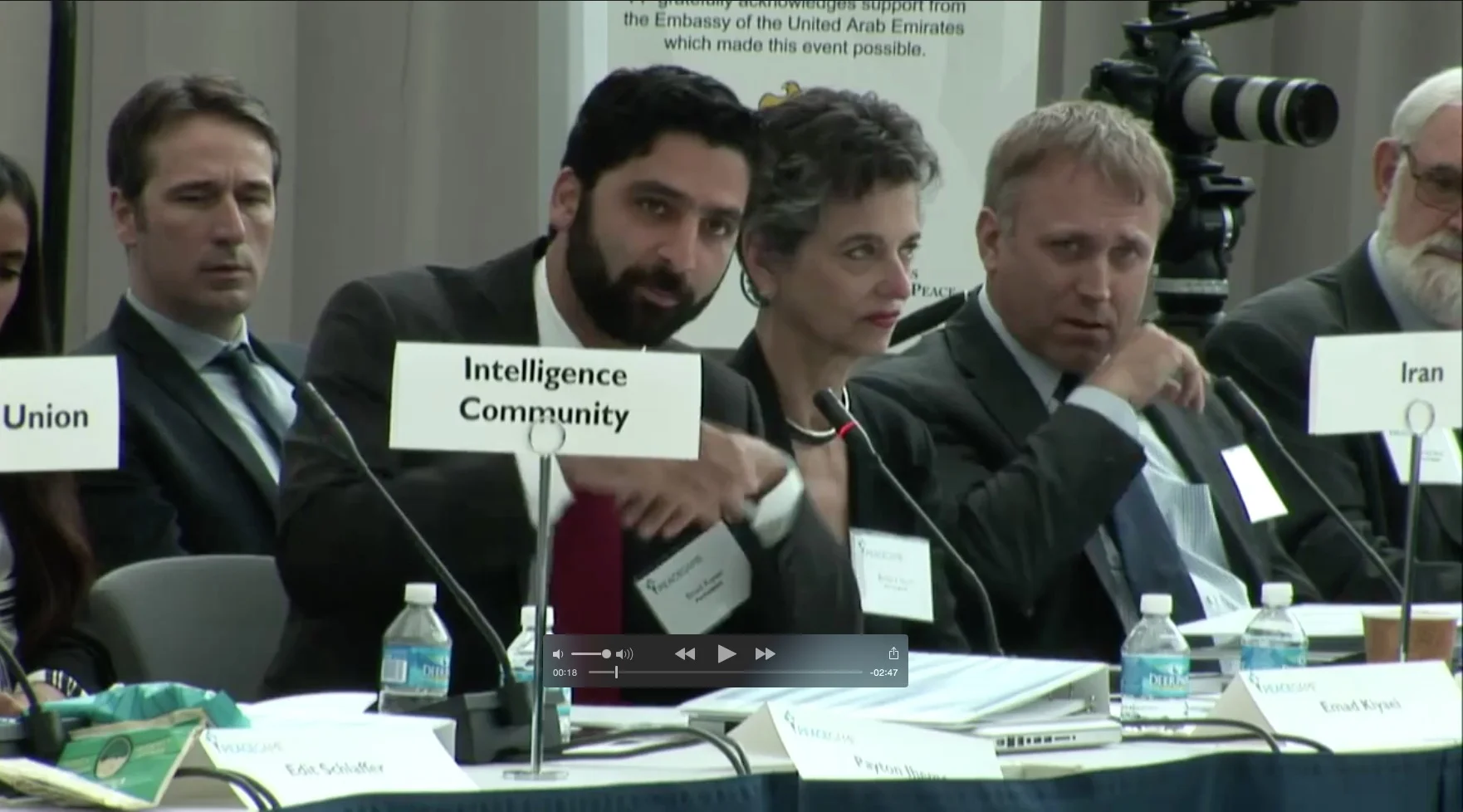
The fourth biannual PeaceGame simulation tackled the issue of the global rise of radical groups and violent extremism. AIC Executive Director Emad Kiyaei was invited to participate in the simulation and take on the role of an Iranian official.
"We need to think about a long-term vision for the Middle East, perhaps with broader regional collaboration and dialogue that creates something like the post-WWII sequences that led to the European Union," Mr. Kiyaei said.
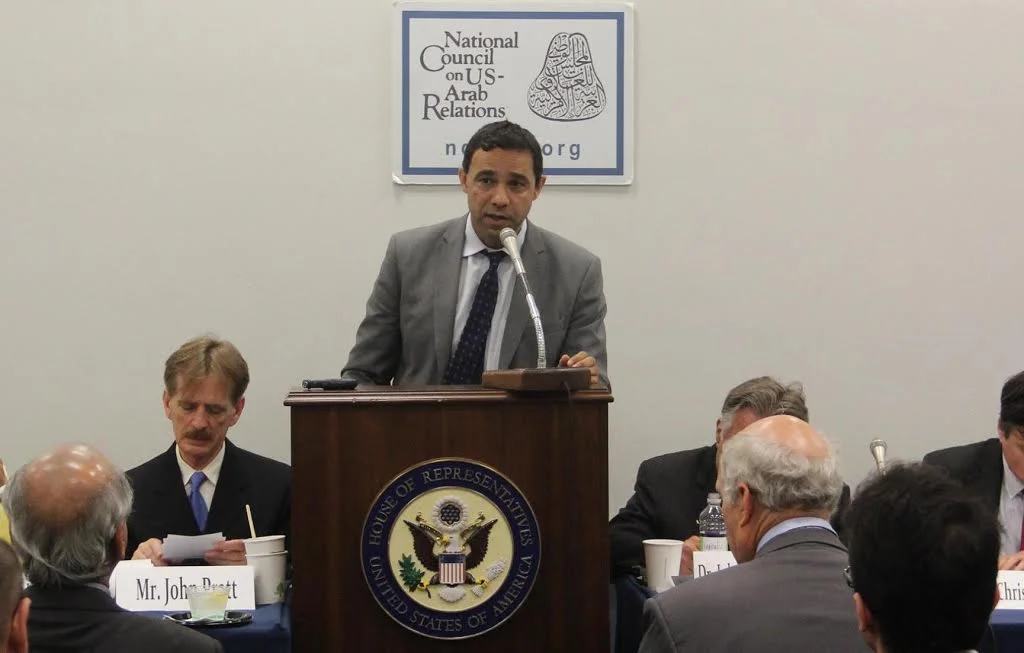
AIC Policy Advisor Dr. Alidad Mafinezam gave an address on Capitol Hill at an event hosted by the National Council on US-Arab Relations on the Iranian nuclear deal. Dr. Mafinezam argued that the Gulf states should welcome an Iranian nuclear deal because it will reduce Iran’s threat perception that revolves around the United States.
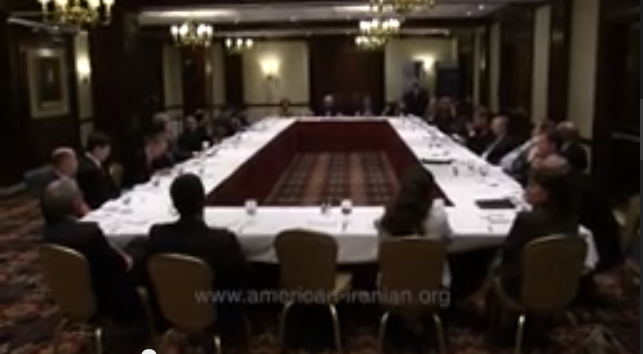
AIC Conference at the Willard Hotel in Washington D.C. Speakers include, Senator Bennett Johnston, Professor Shireen Hunter and Ambassador John Limbert.

“New Leadership in Tehran: Time for Rapprochement?” sponsored by the George Washington University International Affairs Society and the American Iranian Council, was held at at the university’s Elliott School of International Affairs.

Professor Richard Bulliet speaks at an AIC Conference at the Metropolitan Club in New York City.
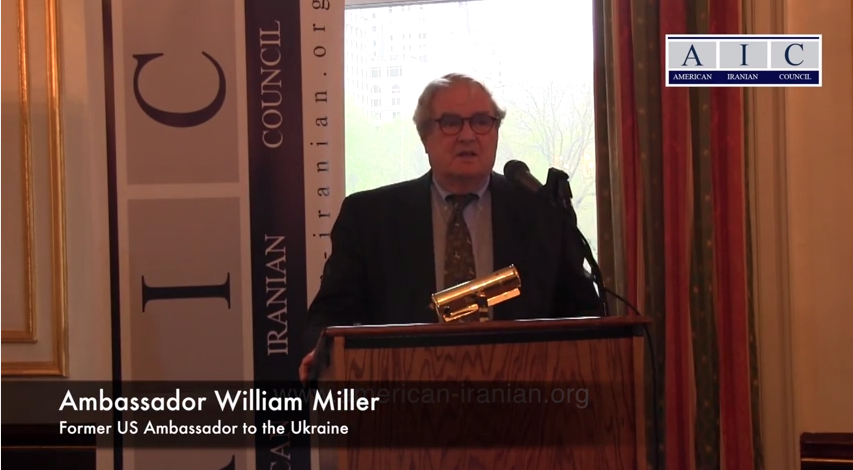
Ambassador William Miller speaks at an AIC Conference at the Metropolitan Club in New York City.

Ambassador Robert Hunter speaks at an AIC Conference at the Metropolitan Club in New York City.

AIC Conference at the Metropolitan Club in New York City, featuring Professor Richard Bulliet and Ambassadors Robert Hunter and William Miller.

During the last three decades, the United States and Iran, despite continued animosity, have on many occasions tried to negotiate, and at times have even come together on a negotiation table. However, none of these attempts could be sustained and today both countries struggle to engage substantially on the issues that divide them.

Ambassador James Dobbins, Director, RAND International Security and Defense Policy Center speaking at the joint conference of AIC and ACMCU titled: Breaking the Impasse Between Iran and the United States. Amb. James Dobbins discusses Opening Address: Coping with a Nuclearizing Iran.

Professor Paul Pillar, Former National Intelligence Officer for the Near East and South Asia speaking at the joint conference of AIC and ACMCU titled: Breaking the Impasse Between Iran and the United States. Prof. Paul Pillar discusses The Nuclear Weapons Issue in Perspective.

Professor Hooshang Amirahmadi, President, American Iranian Council speaking at the joint conference of AIC and ACMCU titled: Breaking the Impasse Between Iran and the United States. Prof. Hooshang Amirahmadi, discusses Nuclear Talks: A Huge Commotion for What?

Mr. Hooman Majd, Author, Journalist, and commentator on Iranian affairs speaking at the joint conference of AIC and ACMCU titled: Breaking the Impasse Between Iran and the United States. Mr. Hooman Majd, discusses "Misunderestimating" Iran.

Ambassador Robert Hunter, Former US Ambassador to NATO speaking at the joint conference of AIC and ACMCU titled: Breaking the Impasse Between Iran and the United States. Amb. Robert Hunter discusses Closing Address: US-Iran: Changing the Dynamics.

AIC Conference at Georgetown University's Alwaleed bin Talal Center for Muslim-Christian Understanding, featuring Ambassadors Robert Hunter and James Dobbins, Professor Paul Pillar and Mr. Hooman Majd.

Dr. Hooshang Amirahmadi argues that it has almost become impossible for the U.S. and Iran to maintain the status quo, which Dr. Amirahmadi calls a no war, no peace stalemate.

In this panel, speakers will discuss some of the key forces competing for power in Iran's upcoming parliamentary elections. The March 2012 elections for the ninth parliament since the Islamic Revolution in Iran will take place under the shadow of international sanctions and the threat of war.

In this panel, speakers will discuss some of the key forces competing for power in Iran's upcoming parliamentary elections. The March 2012 elections for the ninth parliament since the Islamic Revolution in Iran will take place under the shadow of international sanctions and the threat of war.

Recent developments in the Middle East have changed the context of US-Iran relations. While past grievances remain, this transformation has given rise to new opportunities as well as constraints. Mr. Emad Kiyaei, AIC Executive Director, spoke at AIC panel discussion looking at possible direction in the US-Iran relations.

Recent developments in the Middle East have changed the context of US-Iran relations. While past grievances remain, this transformation has given rise to new opportunities as well as constraints.
This panel discussion brought together leading experts and scholars to take a fresh look at possible direction in the US-Iran relations. Specifically, the event assessed whether U.S.-Iran relations will move towards confrontation or change course toward accommodation.

Recent developments in the Middle East have changed the context of US-Iran relations. While past grievances remain, this transformation has given rise to new opportunities as well as constraints. This panel discussion brought together leading experts and scholars to take a fresh look at possible direction in the US-Iran relations.

Recent developments in the Middle East have changed the context of US-Iran relations. While past grievances remain, this transformation has given rise to new opportunities as well as constraints. Dr. Marvin Zonis, AIC Board & Professor Emeritus of Business Administration at University of Chicago, spoke at AIC panel discussion looking at possible direction in the US-Iran relations.

Recent developments in the Middle East have changed the context of US-Iran relations. While past grievances remain, this transformation has given rise to new opportunities as well as constraints. Dr. Scott Hibbard, Professor of Political Science at DePaul University, spoke at AIC panel discussion looking at possible direction in the US-Iran relations.
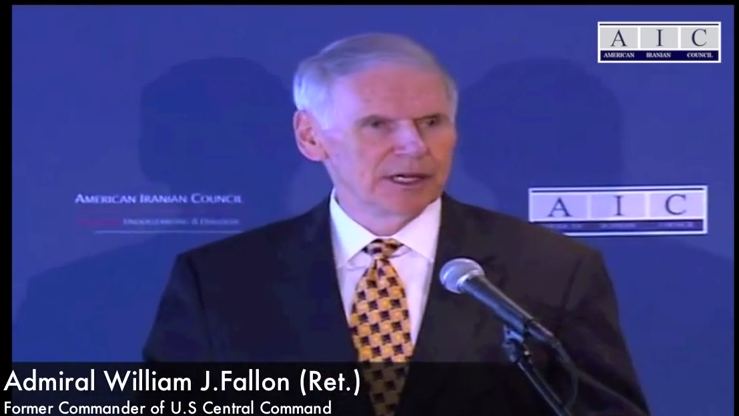
Admiral William J.Fallon, Former Commander of U.S. Central Command, speaking at the joint conference of AIC and ACMCU titled: The Changing Middle East, New Challenges, Players and US-Iran Relations. Admiral J. Fallon, discusses "The Changing Middle East and Implications for US-Iran Relations ."
After a long break, Iran Chat is back and we felt this year’s series should begin with a deep dive into the current state of US-Iran relations, focusing on the very real and growing possibility of war with Iran.
To help sort through all the recent news and issues concerning US-Iran relations, we spoke with journalist Jim Lobe. He served as chief of the Washington DC bureau of Inter Press Service from 1980 to 1985 and again from 1989 to 2016. Currently he is an Associate Fellow at the Institute for Policy Studies where he directs LobeLog, an award-winning web blog focused on foreign policy, featuring posts by expert contributors on a variety of global issues, with an emphasis on US policy towards the Middle East.
Recently, he co-wrote an article for Lobelog entitled War Against Iran Becoming Ever More Likely. We discuss his rationale for this assessment during our conversation.
Listen here or on iTunes: https://itunes.apple.com/us/podcast/americaniranians-podcast/id1152417924